🧊 Heat Stroke & Air Conditioning Sickness in Adults: Symptoms, First Aid & Home Remedies
Feeling drained after being out in the heat? Or getting a sore throat after sitting in an air-conditioned room all day?
If you’re in your 40s, 50s or beyond, your body may not cope with extreme temperatures like it used to. That’s why it’s important to know the warning signs of heat stroke and air conditioning sickness (also called “cold sickness”)—and how to manage them effectively at home.
In this post, we’ll walk you through:
- Early signs of heat stroke in adults
- 5-step first aid treatment
- How to tell the difference between heat stroke and heat exhaustion
- Air conditioning sickness symptoms & how to treat it naturally at home
🔥 What Is Heat Stroke? (And Why It’s Dangerous for Adults Over 50)
Heat stroke is a medical emergency that happens when your body overheats and can’t cool down. It can strike suddenly, especially during outdoor activities, yard work, or simply walking in hot weather.
Early signs of heat stroke:
- Skin feels hot and dry (no sweating)
- Dizziness, nausea, or vomiting
- Rapid breathing or heart rate
- Confusion, sluggishness, or even fainting
🆘 How to Treat Heat Stroke: 5 Easy First Aid Steps
- Move to a cooler, shaded area immediately
- Loosen tight clothing and allow airflow
- Gently wipe the skin with lukewarm water (never use ice water!)
- Sip cool water if the person is alert
- Call emergency services (911) without delay
🤔 Heat Stroke vs. Heat Exhaustion: What's the Difference?
| Body Temp | 104°F (40°C) or higher | Slightly elevated |
| Sweating | Usually none | Heavy sweating |
| Danger Level | Severe & life-threatening | Milder but can escalate |
| Action | Call 911 & cool immediately | Rest & hydrate in cool area |
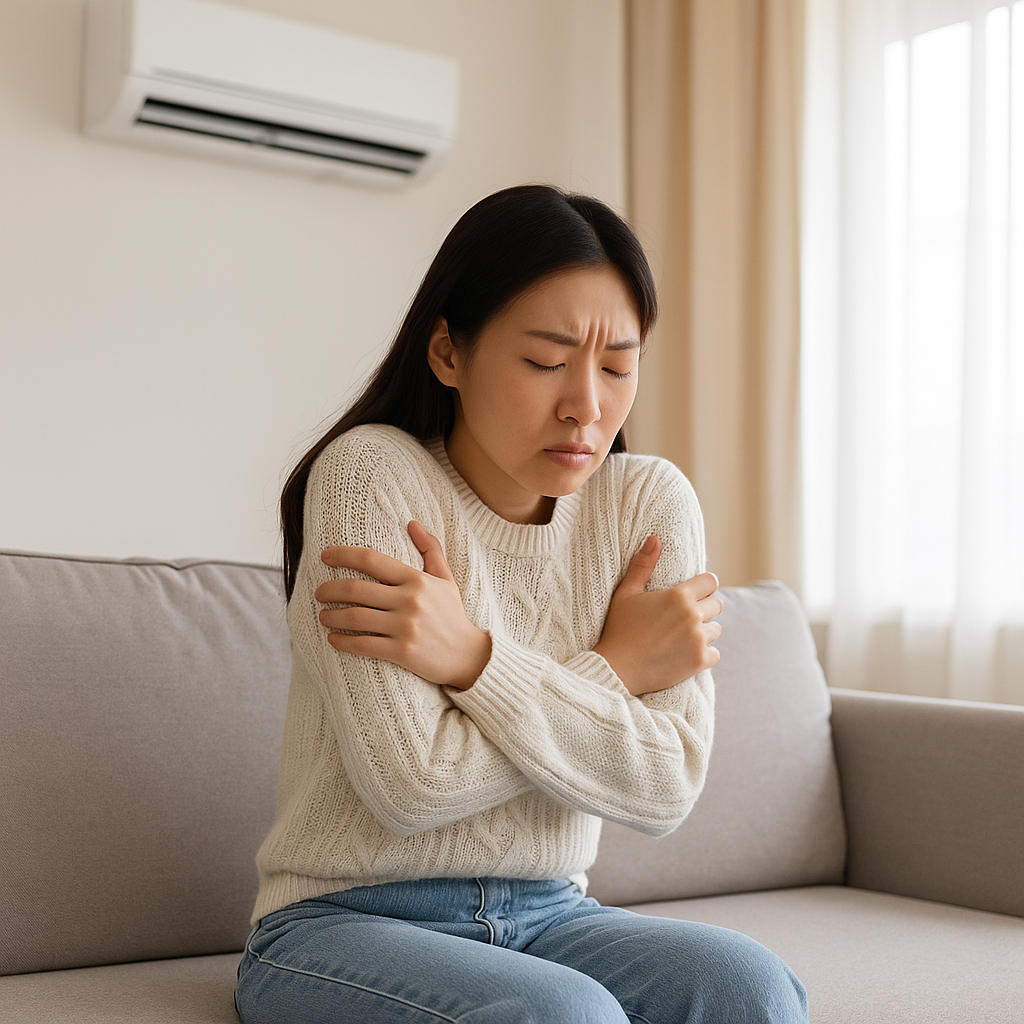
❄ What Is Air Conditioning Sickness?
Air conditioning sickness occurs when your body reacts negatively to prolonged exposure to cold air or big temperature shifts. It’s common in office workers, drivers, or anyone sleeping under direct AC flow.
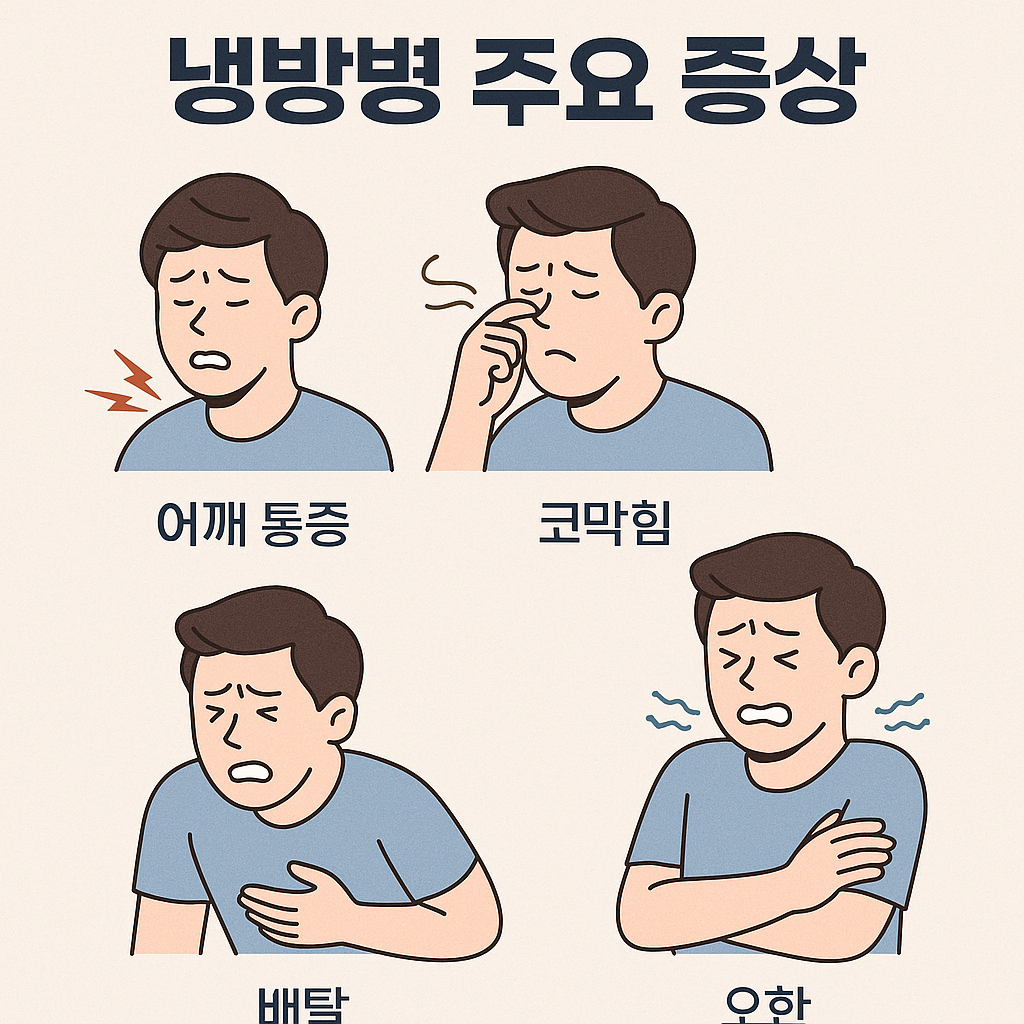
Common symptoms include:
- Muscle aches, chills, or joint stiffness
- Runny nose, nasal congestion
- Fatigue or headaches
- Mild sore throat or upset stomach
🏠 How to Prevent Air Conditioning Sickness at Home
- Keep indoor temperature within 5–7°C (9–12°F) of the outdoor temperature
- Avoid sleeping with AC blowing directly on you
- Use a light blanket or scarf to protect your neck & shoulders
- Drink warm water and eat seasonal fruits to boost immunity
✅ Final Thoughts: Prevention Is Better Than Cure
As we age, it's essential to listen to our bodies. Don't brush off symptoms like fatigue, dizziness, or joint stiffness—they could be warning signs.
This summer, stay hydrated, stay aware, and give your body the care it deserves. 🌿